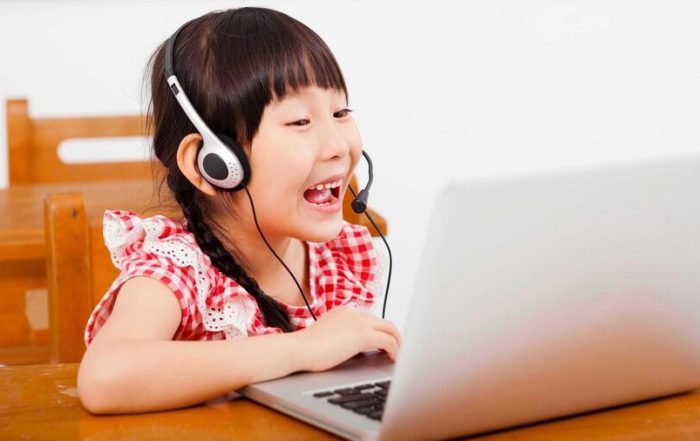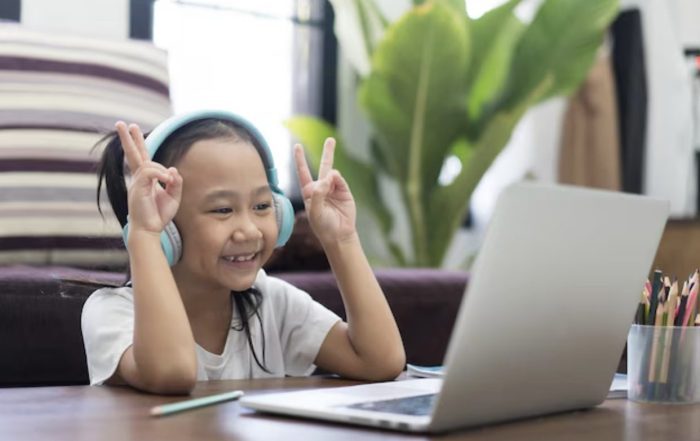

Build PSLE Chinese Oral Confidence with Native Teachers
Many students find preparing for PSLE Chinese difficult. Families approach us looking for structured exam support without losing real language usage.
At Connected Learning, we offer small-group classes, proficiency-based learning, and guidance from native MOE teachers, enabling your child to learn in a setting designed for consistent participation and direct teacher interaction.
Build PSLE Chinese Oral Confidence with Native Teachers
Many students find preparing for PSLE Chinese difficult. Families approach us looking for structured exam support without losing real language usage.
At Connected Learning, we offer small-group classes, proficiency-based learning, and guidance from native MOE teachers, enabling your child to learn in a setting designed for consistent participation and direct teacher interaction.
Why the PSLE Chinese Oral is Different (And Stressful)
The PSLE Chinese oral is very different from written exams because it takes place in real-time, with no opportunity to pause, revise, and restart.
The PSLE Chinese oral exam consists of a reading aloud component and a stimulus-response conversation component, which require proper pronunciation and well-structured responses.
Children are required to listen, comprehend the question, and respond correctly on the spot. That’s usually when many students experience oral exam anxiety, even when they understand what the question is asking.
Common challenges include:
Since the oral component is of high value in the total Chinese grade, hesitation and improper expression can have a disproportionately large effect on the outcome.
Given the significant weightage of the PSLE Chinese oral component in the overall grade, building confidence and clarity is essential.
Why Generic Practice is Often Ineffective
The oral component can be most effectively practised when children are given ample opportunities to speak aloud. That too, with immediate feedback and practice questions that are very similar to the PSLE Chinese oral format.
Parents may find it difficult to correct pronunciation, tones, or sentence structure confidently at home. Some children also feel embarrassed practising aloud, which limits progress.
What often makes the difference is a practice environment designed specifically for speaking aloud.

How We Build PSLE Chinese Oral Skills Differently
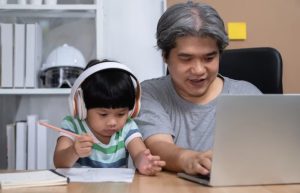
Learn Natural Fluency from Native Chinese Teachers
At Connected Learning, children learn from native Chinese teachers. They provide a realistic model of proper pronunciation, proper phrasing, and normal conversational patterns consistent with MOE guidelines.
In a group setting, teachers can speak in language that is appropriate to each child’s level of understanding and provide immediate, gentle feedback on tone and expression.
With sufficient exposure, children can learn to absorb proper speech patterns. Their responses sound natural rather than rehearsed during the PSLE Chinese oral exam.
Customer Reviews
Master Exam Strategies in Supportive Small Groups
Effective PSLE Chinese oral preparation goes beyond memorising set answers; students need to be able to speak on-the-spot on a subject.
Our programme is MOE-aligned and emphasises the skills that examiners require when taking the PSLE Chinese oral. With a maximum of four students per group and proficiency-based grouping, most children have the opportunity to speak during each lesson.
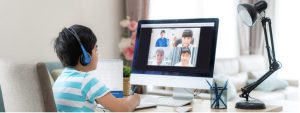

During lessons, teachers often guide students to practise how to:
Our teachers also weave in past year PSLE Chinese oral topics during practice. Students gain familiarity with actual exam formats and recurring themes in a low-pressure setting.
Lessons expose students to a range of commonly tested PSLE Chinese oral topics.
In small settings, children practise responding to common prompts, receive correction, and try again within the same lesson.
Some students start by answering questions very briefly before gradually increasing the length of their responses.
How Confidence Builds Gradually for Most Students
Small groups help reduce comparison and fear of judgment. And proficiency grouping ensures lessons move at the right pace. Native teachers provide personalised feedback that builds clarity over time.
Teachers often notice that once a child answers the first question calmly, subsequent responses come more naturally.

What Progress Usually Looks Like for Students
At Connected Learning, children start by practising speaking in a supportive, level-appropriate group. They begin responding to questions with more confidence.
After a few weeks, oral exam anxiety reduces, responses become more organised, and speaking Chinese feels more manageable for the child. Parents often notice their child becoming more willing to speak up and communicate in Chinese overall.
Schedule a Friendly Consultation with our teaching team to create a personalised plan.
Parents often ask these questions when preparing their child for the PSLE Chinese oral.
What Progress Usually Looks Like for Students
At Connected Learning, children start by practising speaking in a supportive, level-appropriate group. They begin responding to questions with more confidence.
After a few weeks, oral exam anxiety reduces, responses become more organised, and speaking Chinese feels more manageable for the child. Parents often notice their child becoming more willing to speak up and communicate in Chinese overall.
Schedule a Friendly Consultation with our teaching team to create a personalised plan.
Parents often ask these questions when preparing their child for the PSLE Chinese oral.