

“But Why Is Chinese My ‘Mother Tongue’?”
Imagine your child looking at you one day and asking with a mix of confusion, curiosity, and hurt: “Dad isn’t Chinese, and we speak English at home… so why is Chinese my ‘Mother Tongue’?” That question, simple on the surface, carries emotional weight and reveals something profound. In Singapore, where official educational policy assigns “Mother Tongue” based on ethnicity—regardless of a child’s lived experience—that term may feel like a misfit. It doesn’t always align with a bicultural or Third Culture Kid’s identity, and it can spark resentment or confusion.
For a family where one parent uses a different language or cultural frame, children may grow up feeling their sense of belonging is questioned. The policy that mandates Chinese as their Mother’s Tongue can feel imposed—something they didn’t choose, don’t see reflected in their daily life, and deep down don’t feel internally aligned with. This guide isn’t designed to change policy, but to help families navigate the emotional dissonance around this label. It offers parents insight and empathy-first strategies to help their child reclaim Chinese not as an obligation, but as one thread in a vibrant, multilayered identity—one that they can choose for themselves.
Unraveling the Emotional Tensions: Why Resistance Isn’t Laziness
When a child expresses frustration toward learning Chinese, it isn’t rooted in laziness. It’s born of emotional complexity.
There’s an internal tension—identity dissonance—between the child’s personal truth (“I’m Singaporean and British,” or “I feel Singaporean but also Australian”), and the external imposition of choosing Chinese as their primary cultural anchor. This conflict is exhausting and makes Chinese feel like a barrier to authenticity, rather than a bridge.
That dissonance generates feelings of inauthenticity. The child wonders, “Am I faking my identity when I speak Chinese?” Every homework session can feel like a forced performance, rather than a genuine expression of self. That pressure stirs reluctance.
There’s often a silent pressure to represent Chinese-heritage families well, as though your child must serve as a cultural ambassador—to prove the value of their cultural heritage through proficiency. It’s a burden none of their peers face. The disparity can breed resentment and anxiety as they are held to standards that feel both undue and unattainable.

Critically, traditional learning methods may not align with how your child learns best. Many Chinese programs depend on rote memorisation and drill—approaches that might ignore a child’s affinity for stories, play, or creative exploration. For a child with a more global or imaginative bent, this mismatch can make Chinese feel restrictive, not engaging.
Finally, there’s the subtler but powerful factor of transferred anxiety. If parents—often unconsciously—associate Chinese with stress or disappointment, children sense it instantly. Language learning becomes tied not to curiosity, but to fear of failure.
Understanding these emotional roots is the first step toward change, because it acknowledges what the child is really saying when they balk at Chinese: “This hurts, and I don’t feel seen.”
Reframing the Narrative: From Imposed “Mother Tongue” to an Empowering Choice
To soften emotional resistance, language must reshape identity—not confiscate it.
Begin by intentionally changing the vocabulary at home. Stop calling it “Mother Tongue.” Instead, simply refer to it as “Chinese” or “Huayu.” When the language sheds that loaded label, it simultaneously loosens its emotional grip.
Then, introduce the idea of Chinese as a superpower, not a chore. Talk about how speaking Chinese can become a way to unlock stories, friendships, places, and ideas. Show them a world where Chinese connects them to movies, music, and people—not because it’s part of their ethnicity, but because it’s one of many tools they can cultivate.
Concurrently, nurture your child’s entire heritage. Encourage family celebrations from every strand of their cultural identity. If one parent is British, celebrate Pancake Day or tea time together. If the other is Japanese, teach basic greetings or traditions. This universal validation shows them they don’t have to abandon any part of themselves. The more whole they feel, the less Chinese will feel like a forced stipulation.
Building Bridges That Feel Safe: Let Your Child Discover Their “In”
True connection comes when the child sees relevance or chaos. Rather than pushing tongue and grammar, invite relationship, passion, and cultural resonance.
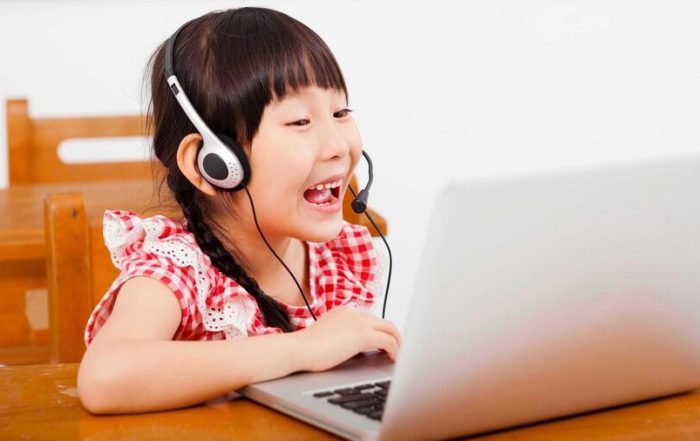
Let relationships lead language. Facilitate warm, relaxed video chats with a Chinese-speaking relative—grandparents, a patient auntie, or a gentle cousin. No topic needs to be academic; let stories and laughter lead. Over time, love becomes the reason for the language, not drills.
Connect through interests. If your child loves K-pop or gaming, introduce Mandopop artists like JJ Lin or G.E.M., or let them explore mobile games with Chinese cultural context. If they like art, find manga-style Chinese comic creators. The goal is for Chinese to emerge as part of their existing passions.
Show contemporary culture. Let them watch Chinese sci-fi movies like Ne Zha, or dive into sci-fi novels by Cixin Liu. Let fashion, art, or youth media expose them to modern Chinese creativity. Identity expands when culture feels fresh, not dusty.
Embrace low-stakes exposure. Don’t insist on study—encourage ambient Chinese experiences: cartoons on weekends, background playlists of Chinese songs, or enabling Mandarin language option on devices they already love. These quiet touches of familiarity build comfort and word recognition without guilt.
Identity Strength: What Third Culture Research Reveals
Third Culture Kids often grow up without a single cultural home, creating a rich, hybrid identity. Research shows that such children develop adaptability, empathy, and strong cross-cultural intelligence precisely because they navigate liminal spaces between cultures. They become world-savvy, emotionally flexible, and often multilingual with ease.
But this adaptability has emotional cost—it can feel rootless. TCKs often wrestle with belonging, particularly when asked to speak on behalf of a culture they only marginally inhabit. When a TCK child hesitates with Chinese, it may not be disinterest—but rather a yearning for ownership of identity, not performance.
They are not “culturally confused.” They are multilingual, multicultural, and needing acknowledgement that their identity transcends monolithic labels. Embracing that complexity transforms Chinese from a forced puzzle piece into an intentionally added tile.

Navigating School with Empathy
The school still calls Chinese their “Mother Tongue.” Instead of hiding from that, create an open conversation at home. Acknowledge that school requires the label and that it may feel misaligned—but assure them that home is where their identity is chosen and expressed freely.
Then, partner with the teacher. Let the teacher know your family context, your desire for Chinese to feel like an invitation, not an obligation. Encourage them to nurture confidence, cultural curiosity, and personal connection—even through gestures like letting your child speak about modern topics or interests in Chinese class.
Schools rarely offer this context unless parents initiate it. That small act of communication can shift how the child experiences Chinese in school—from feeling judged to feeling invited.
You’re Not Alone: Support Is Within Reach
Raising a bicultural child in a multilingual society is a beautiful, complex journey. It’s okay if you don’t have all the answers. What matters most is that you remain emotionally available—that you’re willing to listen, affirm, and adapt.
You can also find ongoing support at Connected Learning, where we regularly share insights tailored for bicultural families. From reading strategies and language games to stories about navigating identity, we’re here to help your child learn and grow with confidence and care.
Seeing the Bigger Identity Picture
In Singapore, policy-designated “Mother Tongue” doesn’t always reflect lived identity. In fact, Singapore’s language landscape is shifting—many households use English predominantly out of practicality, transcending ethnic language boundaries ([turn0search9], [turn0search28]). Yet policy remains assigned. Helping your child understand that they’re part of a broader cultural narrative—and that gradual language acceptance can be organic, not assigned—is transformative.
A Healing Journey, Not a Policy Fix
This journey of reframing Chinese for bicultural kids is not about erasing culture—or grades. It’s about granting them dignity, choice, and belonging. When their identity doesn’t fit horizontal policy lines, give them vertical emotional alignment instead.
In time, you may hear your child say: “I’m not Chinese in the classic sense—but I enjoy it on my own terms.” That voluntary ownership marks real progress—movement from resistance to quiet, self-affirmed acceptance.
You’re not moulding a bilingual child. You’re nurturing a whole human who gets to define how they connect with language, culture, and future identity on their own terms.
That is more meaningful—and powerful—than any test score.