
The Progress Paradox
As a parent, you pour significant time, energy, and resources into your child’s Chinese education. You might enrol them in enrichment classes, source additional workbooks, or even hire a tutor. Given all this investment, it’s only natural to ask yourself from time to time: is it actually working? Yet the moment that question turns into a formal test or surprise quiz at the dinner table, the mood can shift. Your once cheerful child might tense up, look away, or respond with little more than a shrug. What begins as curiosity on your part transforms into anxiety for them.
This dynamic is more common than many families realise. It’s what we call the progress paradox—our well-intentioned efforts to track improvement inadvertently become a source of stress. In trying to reassure ourselves that our child is on the right path, we risk placing obstacles in that very path. In seeking evidence of growth, we may dampen their motivation.
This guide offers an alternative. It introduces a gentler, more effective framework for tracking progress in Chinese, one that focuses not on high-stakes outcomes, but on observable learning moments. With the right approach, you can remain meaningfully involved in your child’s language development—without making it a source of dread.
The Problem with High-Pressure Tracking
Traditionally, tracking a child’s academic development has meant tests, comparisons, and red marks on a worksheet. In the realm of Chinese, this often takes the form of constant practice papers, spelling drills, and pressure to memorise extensive vocabulary lists. When results fall short, it is common for parents to express disappointment, issue stricter routines, or point to the achievements of others.
Unfortunately, this “old way” does more harm than good. When progress is measured solely by numbers and grades, it creates a link between learning and stress. Chinese becomes not a skill to master or a culture to appreciate, but a threat to avoid. For many students, this kind of pressure fosters a fixed mindset. A poor mark becomes a verdict rather than a signal for improvement. A child may begin to believe that they are simply not good at Chinese, reinforcing negative self-talk that limits their engagement with the subject.
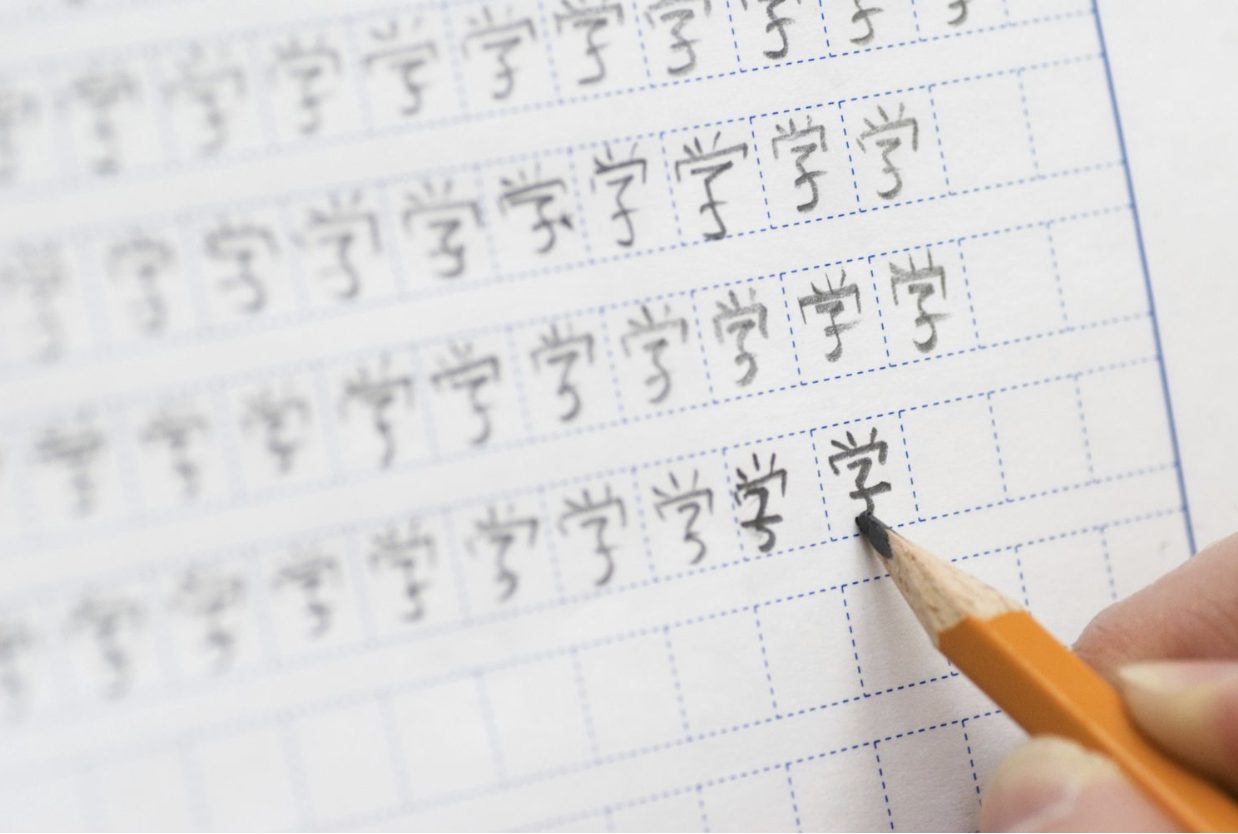
Perhaps most concerning is the loss of intrinsic motivation. A child who once enjoyed learning Chinese songs or decoding characters on a menu begins to see the language only as a school subject—one they are judged by. The excitement of discovering a new idiom or making sense of a story fades into a blur of correction tape and practice booklets. When learning becomes a means to avoid criticism, its joy diminishes—and with it, long-term retention and success.
A Mindset Shift: From “Auditor” to “Observer”
To break free from this unproductive cycle, a shift in perspective is needed. Parents must move from being performance auditors to progress observers. An auditor scrutinises, looking for errors. An observer, by contrast, notices. They pay attention to signs of growth, however small, and allow space for mistakes to be part of the process.
The best analogy here is that of a gardener. A gardener does not pull at a plant each day to check how much it has grown. They do not yell at a seedling to hurry up. Instead, they create the conditions for growth—sunlight, water, good soil—and watch patiently. When a new bud appears, they rejoice. The same is true for learning Chinese. With patience, consistency, and encouragement, your child’s skills will begin to flourish. You just have to look in the right places.
Becoming an observer requires attentiveness. It means noticing the moments when your child applies new knowledge naturally, outside of a formal setting. Perhaps they recognise a character on a street sign or attempt to order food in Chinese. These organic displays of understanding are far more valuable indicators of progress than a score on a spelling test. When we train ourselves to notice these signs, we not only gain a clearer picture of our child’s development, but we also create a more positive learning environment.
The “Low-Stress” Tracking Toolkit: What to Look For
There are ways to track Chinese language development that do not involve test scores or correction pens. These methods work because they align with how real learning unfolds—through repetition, personal connection, and natural application. When incorporated into daily life, they become not just tools of measurement, but opportunities for bonding and encouragement.
One of the most engaging methods is the “Aha!” Jar. Place a small jar in a visible spot at home, along with a notepad. Every time your child uses a Chinese word correctly in conversation or reads a character unprompted, write it down with the date and place it in the jar. This tangible collection of “wins” offers a visual record of vocabulary expansion and character recognition. Over time, your child will see their language growing—one spontaneous “aha” moment at a time.
Another effective tool is what we call the “Time Capsule” recording. Every few months, sit down with your child and have a short, relaxed conversation in Chinese—perhaps about their recent holiday, a funny school story, or their favourite meal. Record it on your phone and save it with the date. After six to nine months, revisit the earliest and latest recordings together. You’ll both be surprised by the progress in fluency, vocabulary range, and confidence. For the child, it’s not just a lesson in progress—it’s a powerful affirmation that their hard work is making a difference.
Reading progress can be tracked through two often-overlooked indicators: stamina and choice. Rather than focusing solely on comprehension scores, observe how long your child can read a Chinese book before tiring. A move from three minutes to seven minutes is real progress. Similarly, pay attention to whether they ever pick up a Chinese book voluntarily. Even a few minutes of independent reading is a strong sign that they’re becoming more comfortable with the language and less intimidated by its complexity.
When it comes to writing, consider creating a “Glow and Grow” portfolio. Keep a folder of your child’s written work—compositions, short passages, journal entries—and review them together periodically. Start by highlighting a strength (the “glow”), such as a vivid description or a clever idiom. Then gently introduce one suggestion (the “grow”), like using varied sentence starters or expanding a paragraph. This kind of focused, positive feedback helps your child see writing as a skill that can be honed, not a test to fear.

Using School Exams Wisely and Constructively
In Singapore, exams are an inevitable part of academic life. The Primary School Leaving Examination (PSLE) and other assessments are not going away any time soon. The key is to engage with these tools constructively—not as definitive judgments, but as diagnostic reports.
When reviewing your child’s exam paper, resist the urge to focus on the final score. Instead, look for patterns. Are most of the lost marks in comprehension? Is vocabulary a recurring challenge? These details provide insight into specific areas where support is needed. This approach turns the paper into a map rather than a verdict.
Once patterns are identified, the next step is to collaborate on an action plan. Frame the conversation positively. Instead of saying, “You need to improve your sentence structure,” try, “Let’s find a fun way to practise building better sentences this month.” Perhaps a language app, a writing game, or co-creating silly stories can become part of your child’s toolkit. The aim is not to “fix” them, but to work together towards manageable goals.
Where to Find Tools That Support Gentle Progress Tracking
If you’re looking for more ideas, templates, or expert-designed programmes to support your child’s Chinese journey in a calm and confidence-building way, consider exploring platforms that prioritise meaningful learning. Connected Learning offers curated resources, courses, and strategies tailored to the needs of Singaporean families. Whether you’re seeking story-based learning, oral practice frameworks, or creative ways to reinforce vocabulary, their approach aligns closely with the mindset of observation over pressure. It’s a helpful companion for any parent wanting to stay engaged without overwhelming their child.
Tracking for Connection, Not Correction
At its core, tracking your child’s Chinese progress should be about connection, not correction. It should be about recognising effort, not just results. True progress often shows up in subtle, beautiful ways—a moment of confidence during a Chinese conversation, a burst of excitement upon decoding a new character, a spontaneous attempt at using a new idiom. These are victories worth celebrating.
By shifting your focus from asking, “What did you score?” to “What did you discover today?”, you reframe the language-learning journey as one of exploration. You send a powerful message to your child: I see your effort. I value your progress. I believe in your potential. When this happens, learning becomes a joy once more—and the language, a lifelong friend.