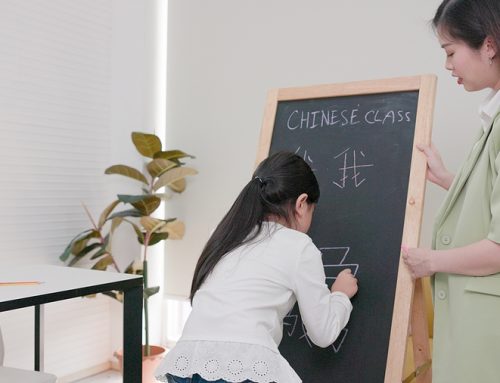


Parents often face a difficult decision when seeking additional academic support for their children: should they opt for the laser focus of one-to-one tuition, or the structured format of classroom-based enrichment? Each has its strengths, but both come with potential limitations. One-to-one sessions can feel intense and isolating, while large classes may not provide the individual attention many students need. Somewhere in between lies a powerful alternative: small group tuition. With group sizes typically ranging from two to six students, this model balances academic rigour with social learning and emotional support. More than just a compromise, small group tuition offers unique benefits—boosting confidence, enhancing peer-based learning, and developing crucial life skills that extend far beyond exams.
The Confidence Catalyst: A Safe Space to Ask, Stumble, and Grow
Confidence is often underestimated in discussions about academic success. Yet it is the silent engine behind participation, persistence, and resilience. When students believe in their ability to learn and improve, they become more willing to take academic risks, speak up, and try again after setbacks. Unfortunately, traditional classrooms—with their large student-teacher ratios—often do little to nurture that confidence. Small group tuition, however, creates a very different learning atmosphere.
Lowering the “Fear Factor”
In a classroom of 30 or more students, asking a question can feel daunting. Students often hesitate, fearing their queries might sound silly or reveal a lack of understanding. That fear of judgment stifles curiosity and engagement. Small groups eliminate that fear. In a setting of just a few peers, students feel less self-conscious and more comfortable participating. The environment becomes one of mutual support rather than silent competition. Tutors can build rapport more easily and set ground rules that make it clear: questions are welcome, mistakes are expected, and learning is a shared journey.

This psychological safety is especially important for students who have already experienced academic setbacks. In a smaller setting, they are more likely to speak up, share their thoughts, and take part in problem-solving without the worry of being scrutinised by a large group.
Personalized Attention without the Intense Spotlight
While private tuition provides dedicated focus, it can also feel overwhelming. The pressure of being under constant scrutiny, especially for introverted or self-conscious students, can cause stress and disengagement. In a small group setting, students benefit from a tutor’s individualised attention without feeling like they’re always on the spot. There are moments when the tutor’s focus shifts to another student, giving the rest time to process, reflect, or quietly consider the material.
This ebb and flow allows students to learn in a rhythm that feels natural. It prevents cognitive overload and enables them to internalise new concepts more effectively. Importantly, it also fosters independence. Students learn not to rely on constant prompting, but to think critically, attempt solutions, and support one another.
The Power of “Me Too!” – Normalizing Challenges
One of the most profound psychological benefits of small group tuition is the sense of solidarity it fosters. When a student hears a peer voice the same confusion they were feeling, it can be incredibly validating. It tells them, “I’m not alone. Others find this hard too.” This realisation reduces the shame often associated with struggling in school.
It also builds a growth mindset. In a small group, students see firsthand that improvement is possible through effort and persistence. Watching a peer overcome a similar challenge can inspire belief in their own capacity for growth. Over time, students internalise the message that mistakes aren’t failures—they’re opportunities for learning. This shift in mindset lays the foundation for academic confidence that lasts.
The Collaboration Engine: Learning From and With Each Other
In traditional learning setups, education is often portrayed as a solitary pursuit: the student listens, memorises, and performs. But in the real world—and increasingly in modern pedagogy—learning is recognised as social. We understand better when we discuss, explain, and collaborate. Small group tuition leverages this truth, turning passive learning into active engagement.
Learning Through Different Lenses
Each child comes to a learning environment with a unique way of thinking. One might visualise math problems spatially, another might rely on verbal reasoning. When students work together in small groups, they expose each other to different ways of approaching problems. Sometimes, a peer’s explanation resonates more clearly than a tutor’s. It might use simpler language, a relatable analogy, or just come from a similar perspective.
This variety helps students see that there is more than one path to understanding. It deepens comprehension and builds flexibility in problem-solving—skills that become invaluable as academic challenges grow more complex.
The Protégé Effect: Teaching to Learn
When students explain concepts to their peers, they’re not just helping someone else—they’re reinforcing their own learning. This is known as the protégé effect. Teaching requires the student to organise their knowledge, articulate it clearly, and think critically about what they understand and what they don’t. The process strengthens retention and reveals gaps in understanding that might otherwise go unnoticed.
In small group tuition, these moments happen naturally. A student who grasps a concept quickly may help a peer who is still struggling, and in doing so, consolidate their own mastery. This peer teaching dynamic makes the group more self-sustaining, with learning support coming not just from the tutor, but from within the group itself.
Building Essential 21st-Century Skills
Beyond academic knowledge, small group tuition nurtures a host of soft skills vital for future success. Students learn to listen actively, express their ideas clearly, ask clarifying questions, and collaborate respectfully. They receive and offer constructive feedback, sometimes even learning to disagree without conflict. These are not just classroom skills—they are life skills.
In today’s world, where communication, collaboration, and adaptability are key, the ability to work well in small teams is crucial. Small group tuition becomes a training ground for these competencies, preparing students not only for school, but for the workplace, the community, and the global stage.
The Virtuous Cycle: Confidence and Peer Learning Feed Each Other
What makes small group tuition especially powerful is how confidence and peer interaction feed into each other, creating a positive feedback loop. As students become more confident, they participate more fully in group discussions. That participation leads to greater understanding and peer validation, which in turn boosts their confidence further.
When students feel supported and heard by their peers, their willingness to engage increases. When they see their contributions helping someone else, their sense of capability grows. It’s a reinforcing cycle: more confidence leads to more engagement, which leads to better performance and even more confidence.
This synergy is what distinguishes small group tuition from other forms of educational support. It creates a learning environment where growth is shared, challenges are normalised, and success becomes collective.
A Blended Approach That Supports the Whole Child
Families looking for a thoughtful academic solution may find a strong ally in Connected Learning. Their small group tuition model integrates academic rigour with emotional wellbeing, building an atmosphere where students feel encouraged, supported, and empowered. With experienced educators and a curriculum aligned to local standards, Connected Learning provides not only subject mastery but also the social and emotional tools students need to thrive.
Conclusion: Investing in the Whole Learner
Choosing an educational path for your child is about more than just chasing grades. It’s about nurturing their confidence, equipping them with essential life skills, and helping them discover joy in the learning process. Small group tuition offers a unique space where academic goals are pursued alongside emotional and social development.
By blending personal attention with peer interaction, small group tuition supports students holistically. It builds resilient learners who not only understand content but feel confident enough to engage, contribute, and grow. As parents weigh their options, it’s worth considering that the greatest outcomes in education often come not just from what students learn, but from how they learn—and who they become along the way.